Detect Hereditary Kidney Risks
Before Damage Becomes Irreversible
Sample Type
Buccal Swab / Saliva
Coverage
>96% at 20x
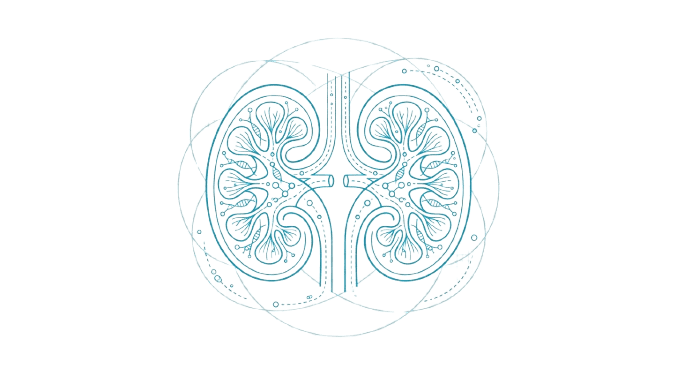
Hereditary Renal Disorders Risk Testing identifies clinically relevant genetic variants linked to inherited kidney disorders—helping providers diagnose earlier, personalize care, and preserve long-term kidney function.
Why Genetic Kidney
Testing Matters
Many kidney disorders progress silently for years before symptoms appear. Often, significant nephron damage has already occurred by the time traditional markers like creatinine or GFR report abnormalities.
Genetic testing helps uncover underlying hereditary risks affecting critical physiological pathways:
Filtration Function
Glomerular filtration barrier and slit diaphragm structural integrity.
Blood Pressure Regulation
Renin-angiotensin-aldosterone system (RAAS) and renal vascular tone.
Electrolyte Balance
Mineral transport channels managing sodium, potassium, calcium, and magnesium.
Acid–Base Homeostasis
Bicarbonate reabsorption and hydrogen secretion pathways.
Fluid Regulation
Aquaporin channels and tubular water/osmolarity balance.
Early Detection
Identify genetic variants decades before structural damage or clinical symptoms arise.
Accurate Diagnosis
Differentiate between overlapping clinical phenotypes (e.g., Alport vs. IgA Nephropathy).
Personalized Treatment
Tailor medical therapies, pharmacogenomics, and critical transplant considerations.
Family Risk Assessment
Identify hereditary risks among relatives through directed cascade testing.
Better Outcomes
Reduce renal complications, optimize nephroprotection, and delay CKD/ESRD progression.
Hereditary Renal Conditions We Assess
Precision screening and diagnostic clarity for a broad spectrum of inherited kidney pathologies.
ADPKD
PrimaryAutosomal Dominant Polycystic Kidney Disease
ARPKD
Autosomal Recessive PKD
Alport Syndrome
Hereditary Nephritis & Basement Membrane Disease
Hereditary Nephrotic Syndrome
Congenital / Steroid-Resistant Podocytopathies
Tubulointerstitial Kidney Disease
Autosomal Dominant Tubulointerstitial Kidney Disease (ADTKD)
CAKUT
Congenital Anomalies of the Kidney & Urinary Tract
Nephronophthisis
Juvenile Nephronophthisis & Ciliopathies
Bartter Syndrome
Hereditary Salt-Losing Tubulopathies
Gitelman Syndrome
Inherited Mineral & Hydration Transport Disorder
Comprehensive 393-Gene Renal Panel
Advanced sequencing across clinically relevant kidney-associated genes to assess hereditary renal disease risk and guide precision care.
...and 341 other genes. Search specifically to filter.
How Renal Genetic Testing Works
Clinical Consultation
Evaluate patient's family history and clinical presentation to determine testing eligibility.
Sample Collection
Fast, non-invasive collection using a buccal swab or saliva collection kit.
DNA Sequencing & Analysis
Advanced NGS sequencing targeting 393 renal genes at high-depth coverage.
Clinical Interpretation
Board-certified review of pathogenic, likely pathogenic, and clinically relevant variants.
Personalized Care Planning
Actionable renal management reports detailing clinical options and monitoring pathways.
What Happens After a Positive Result?
A positive finding delivers clinical answers. Proactive nephrology care pathways enable patients and providers to protect long-term kidney function together.
Genetic Counseling
Gain deep understanding of inheritance, recurrence rates, and psychological impacts.
Individualized Management
Implement kidney-specific care plans, medication adjustments, and dietary guidelines.
Family Screening
Begin targeted cascade screening for first-degree relatives to catch risks early.
Regular Monitoring
Schedule continuous GFR filtration checks, renal imaging (ultrasound/MRI), and urinalysis.
Preventive Care
Engage proactive nephroprotection, blood pressure control, and avoid nephrotoxic drugs.
The Power of Genetic
Testing for Kidney Health
By understanding inherited risk early, patients and clinical teams can actively collaborate to avoid disease complications, prepare optimal transplant paths, and protect the family system.
Diagnose Earlier
Uncover underlying inherited causes before permanent tissue damage occurs.
Family Planning
Assess transmission probabilities and support informed planning decisions.
Risk Reduction
Enable preventive treatments and lifestyle modifications to delay ESRD.
Personalized Treatment
Gain access to targeted drug therapies and precision transplant evaluations.
Hereditary Renal Panel
Test Specifications
Sample Type
Buccal Swab / Saliva
Turnaround Time
7–10 Business Days
Coverage
>96% at 20x Depth
Reporting
ACMG-Based Pathogenic Variants
Customization
Custom Requisition lists available
Panel Size
393 Kidney-Associated Genes
Why Choose Vediagnostics
for Renal Genetic Testing?
High-Quality Genomics
Advanced next-generation sequencing delivers unparalleled target accuracy.
Fast Turnaround
Clinically validated results generated and securely delivered within 7 to 10 days.
Comprehensive Panels
Vast coverage of 393 distinct renal-related genes linked to inherited conditions.
Provider Collaboration
Dedicated support team assisting with clinical interpretation and reporting.
Understanding Genetic Kidney Testing
Complex genomic intelligence made transparent and trustworthy.
Built for Precision
Clinical Workflows
Integrate advanced genomic testing seamlessly into your renal care practice. Our secure digital solutions save time and maximize efficiency.
- Provider ordering portal
- Secure genetic reporting access
- Patient result tracking dashboard
- Family screening / cascade guidance
- Clinical variant interpretation support
Patient Name
Sarah Jenkins
Ordered Panel
Renal NGS Panel (393 Genes)
Identified Variants
Pathogenic - Associated with ADPKD
Carrier - Tubulointerstitial Nephropathy
Protect Kidney Health Through
Earlier Genetic Understanding
Empower earlier diagnosis, personalized care, and long-term renal protection through advanced hereditary genetic testing.